From Hobby to High Impact on Your Back: How Pickleball Can Stress Your Spine
Pickleball went from a neighborhood hobby to one of the most talked-about sports of the 2020s. What exploded during the pandemic has kept growing, with the Sports & Fitness Industry Association reporting that U.S. pickleball participation rose from about 4.2 million players in 2020 to more than 24 million players in 2025. USA Pickleball also reported continued growth in places to play, with more than 18,000 locations and more than 82,000 known courts nationwide in its 2025 Annual Growth Report.
That kind of popularity makes sense. Pickleball is social, competitive, easy to learn, and addictive in the best way. But as more people pick up a paddle, more players are also asking an important question: how can I keep playing pickleball without putting so much pressure on my back?
Is pickleball bad for your back?
Pickleball is not automatically bad for your back. However, poor movement habits can increase spine pressure during pickleball. The biggest issues usually come from bending at the waist, twisting through the lower back, reaching instead of stepping, playing too long without breaks, or ignoring recurring pain.
A spine-friendly pickleball game starts with better body mechanics.
Should you warm up before pickleball?
Yes. A proper pickleball warm-up can help prepare your spine, hips, legs, shoulders, core, and balance before you play. Going straight into fast rallies while your body is cold may increase discomfort.
A spine-friendly pickleball warm-up may include light walking, side steps, hip circles, shoulder rolls, gentle torso turns, bodyweight squats, calf raises, easy practice swings, and controlled volleys.
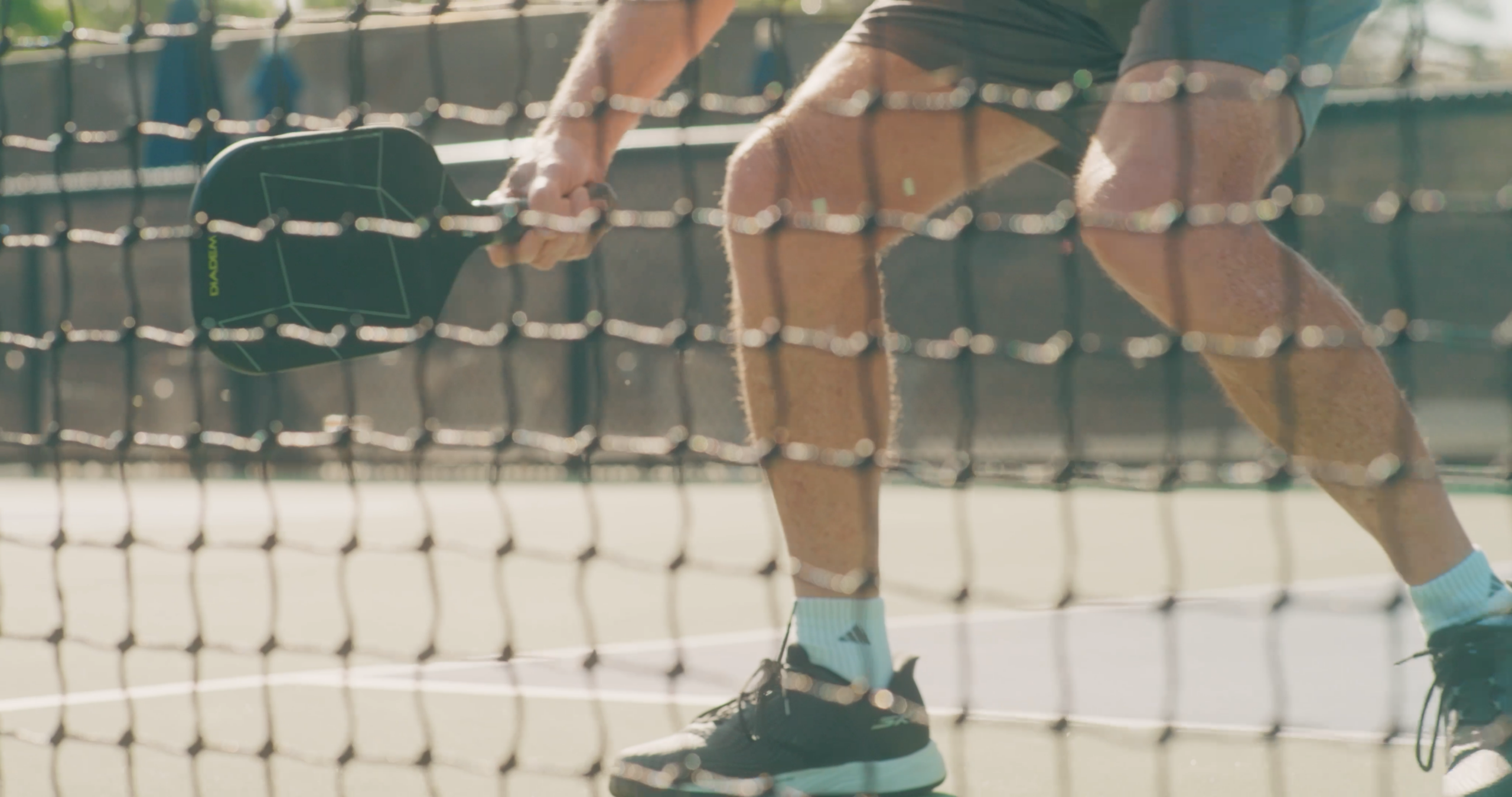
The goal is not to exhaust yourself before the game. The goal is to prepare your body for the bending, turning, reaching, and quick direction changes that happen during play.
What is the best way to reduce back pressure while playing pickleball?
The best way to reduce unnecessary pressure on your spine in pickleball is to move your feet before reaching for the ball. When players stop moving their feet, they often compensate by twisting or bending through the lower back.
Instead of reaching across your body, step closer to the ball. Keep your body balanced. Let your legs, hips, shoulders, and core work together.
A simple phrase to remember is “step, set, swing.”
Step toward the ball. Set your body in a stable position. Swing with control.
This can help reduce awkward movements that place extra strain on the lower back.
How should you bend for low pickleball shots?
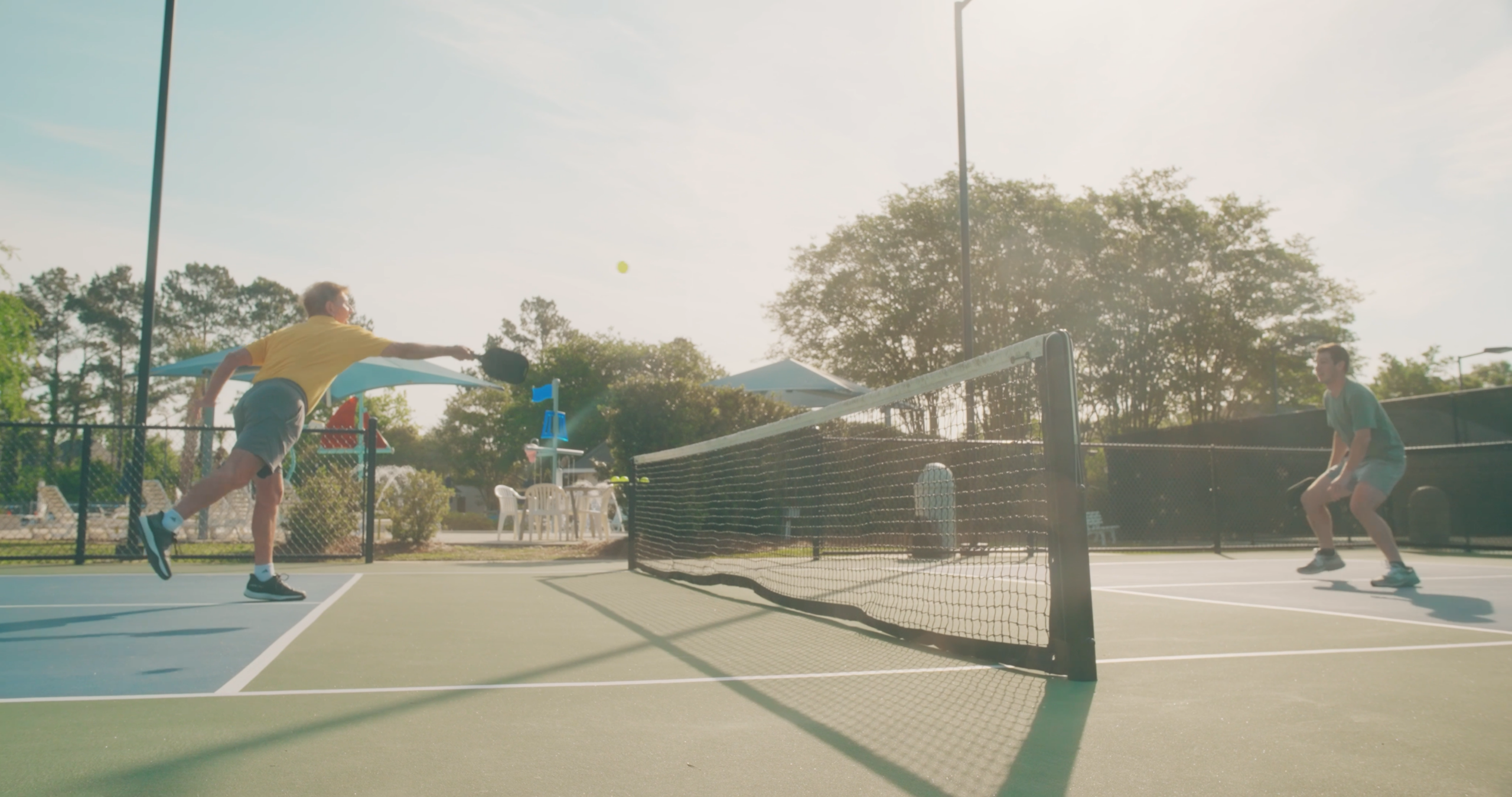
Do not fold forward from your waist every time you reach for a low shot. This is common at the kitchen line and can increase pressure on the lower spine.
A better option is to bend through your hips and knees. Keep your chest lifted, stay balanced through your feet, and avoid collapsing over the ball. Think of lowering your body instead of dropping your back.
This is especially important for dinks, low volleys, and quick returns near the net.
How should you rotate during pickleball?
Rotation is part of pickleball, but the lower back should not do all the twisting. When you hit a forehand, backhand, serve, or overhead shot, try to rotate through your full body.
Let your feet pivot. Turn through your hips. Allow your shoulders to follow. Avoid planting your feet and forcing your lower back to twist around the shot.
Better pickleball rotation can help improve control while reducing unnecessary stress on the spine.
When should you stop playing pickleball because of back pain?
You should stop and pay attention if you feel sharp back pain; pain that travels into the buttock or leg; numbness, tingling, or weakness; pain that worsens during play; or pain that keeps returning after pickleball.
These symptoms do not always mean something serious is happening, but they should not be ignored. If back pain is limiting your game or affecting your daily life, a spine specialist can help evaluate what may be causing your symptoms.
When should you see a spine specialist for pickleball neck or back pain?
If neck or back pain is keeping you from enjoying pickleball, staying active, or moving comfortably through your day, AVALA Spine is here to help. Our team of expert spine specialists focuses on identifying the source of your pain and helping you understand your options with clarity and confidence. Whether your symptoms started on the court or have been building over time, you do not have to keep pushing through pain without answers. Visit AVALA Spine to take the next step toward understanding your neck pain, back pain, spine health, and treatment options.